
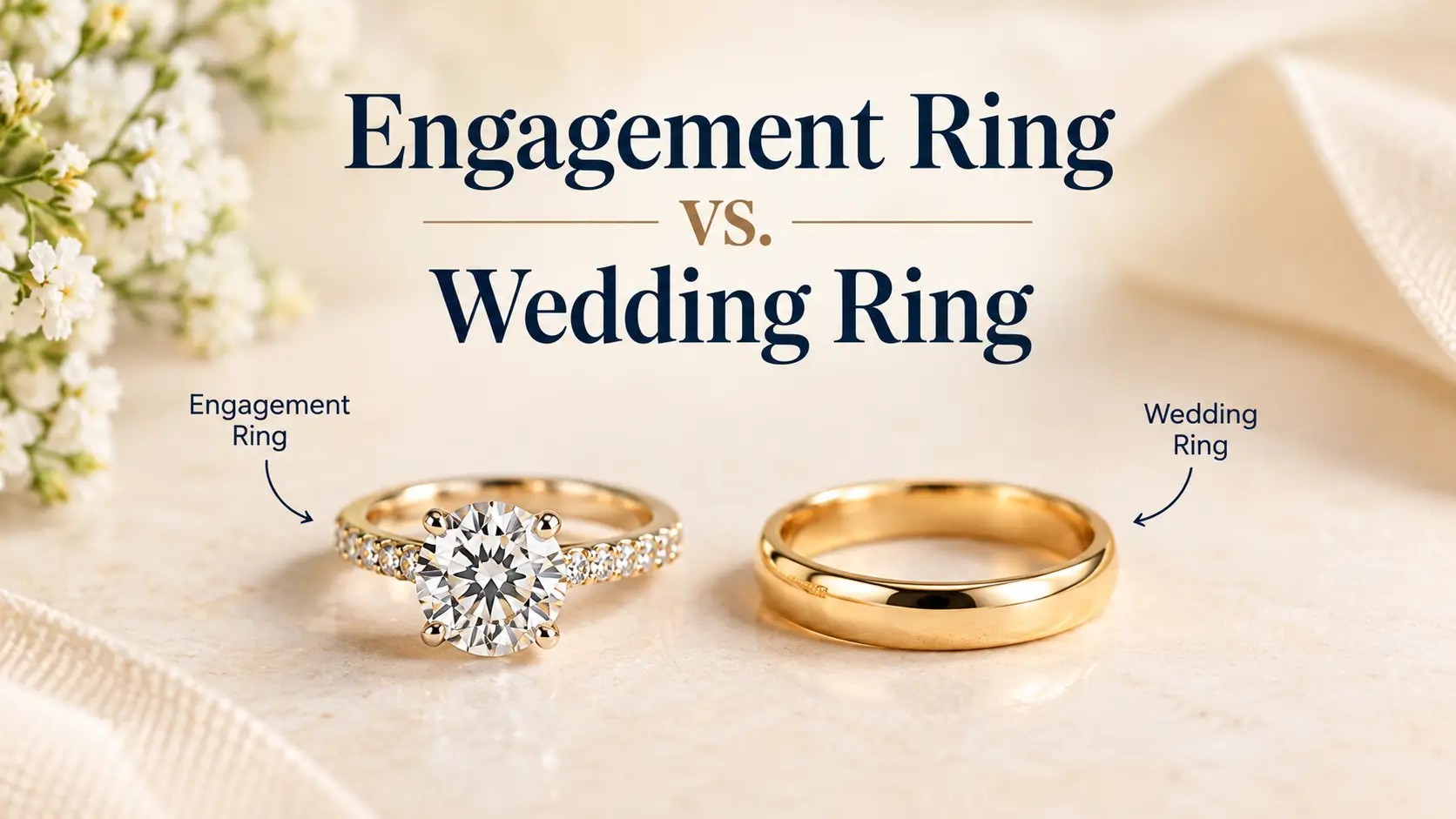
The main difference between an engagement ring and a wedding ring is their purpose and when they are traditionally given. An engagement ring symbolizes a promise to marry and is usually presented during a proposal.
A wedding ring, also called a wedding band, symbolizes marriage and is exchanged during the wedding ceremony. Couples may wear both rings together or choose just one.
Choosing rings can feel confusing because both represent commitment, and their designs often overlap. Understanding how they differ in meaning, style, cost, and everyday wear can help you find the right combination for your relationship.
What Is an Engagement Ring?
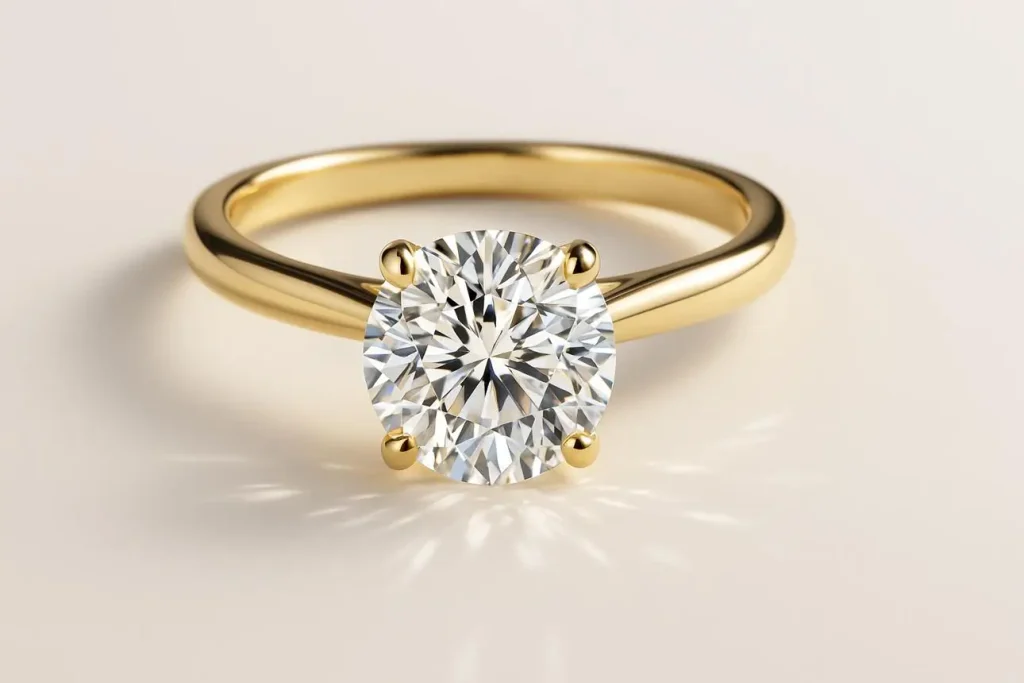
An engagement ring is traditionally given when one partner proposes marriage. It represents the couple’s intention to marry and often becomes a meaningful piece of jewelry worn throughout the engagement.
In the United States, engagement rings commonly feature a prominent center stone, such as a diamond, set in gold, platinum, or another jewelry metal. However, there is no universal design requirement. Some couples prefer colored gemstones, vintage rings, minimalist settings, or rings without a center stone.
Common features of engagement rings
- A center stone: Many designs feature a diamond or gemstone as the main attraction.
- Decorative settings: Solitaire, halo, three-stone, and pavé settings are popular styles.
- Personal significance: The stone, metal, or design may reflect the wearer’s personality or the couple’s story.
- Proposal tradition: The ring is commonly presented when the couple gets engaged, although some partners select it together afterward.
An engagement ring does not have to be expensive or diamond-based to carry meaning. The right choice depends on personal taste, budget, comfort, and lifestyle.
What Is a Wedding Ring?

A wedding ring is a ring exchanged during a marriage ceremony to symbolize the couple’s commitment as spouses. It is also commonly called a wedding band.
In American wedding traditions, wedding rings are often simpler than engagement rings. Many feature a smooth metal band, but diamond-set bands, engraved rings, patterned designs, and alternative metals are also common.
Common features of wedding rings
- A band-style design: Traditional options have a continuous circle of metal, sometimes with gemstones.
- Ceremony exchange: Couples commonly exchange wedding rings during their vows or another part of the ceremony.
- Everyday wear: Many people choose a comfortable, durable design suitable for regular use.
- Matching or individual styles: Partners can choose matching bands or entirely different designs.
Wedding rings are not required to look plain. A wedding band can include diamonds, colored stones, intricate detailing, or a shape designed to fit around an engagement ring.
Engagement Ring vs. Wedding Ring: Key Differences at a Glance
The clearest way to understand the difference between an engagement ring and a wedding ring is to compare their purpose, timing, design, and how couples wear them.
| Feature | Engagement ring | Wedding ring |
| Main purpose | Represents the intention to marry | Represents the marriage commitment |
| When it is given | Usually during a proposal | Usually during the wedding ceremony |
| Typical design | Often has a prominent center stone | Often features a plain or decorative band |
| Who wears it | Traditionally the person receiving the proposal | Commonly worn by both spouses |
| When it is worn | During the engagement and often after marriage | From the wedding onward, if the wearer chooses |
| Typical cost | Often costs more because of the center stone | Varies with metal, gemstones, width, and craftsmanship |
| Other name | Proposal ring, in some contexts | Wedding band |
These are common practices, not strict rules. Couples can choose different designs, exchange more than one ring, or use a single ring for both purposes.
What Is the Difference in Meaning?
Both rings symbolize love and commitment, but they traditionally represent different stages of a relationship.
The engagement ring symbolizes a promise
An engagement ring represents the decision to marry. It marks the beginning of the engagement period and often serves as a visible reminder of the couple’s plans.
Diamonds have become closely associated with engagement rings, but they are not essential to the tradition. Sapphires, emeralds, other gemstones, and non-gemstone designs are all options. Historical records of engagement rings include different materials and styles, reflecting changing customs over time.
The wedding ring symbolizes marriage
A wedding ring represents the commitment made during the marriage ceremony. Couples commonly exchange rings as part of their vows or ceremony rituals.
The circular shape is often interpreted as a symbol of enduring love because it has no visible beginning or end. This is a symbolic interpretation, not a requirement shared by every culture or religious tradition.
For many couples, the two rings tell a connected story: the engagement ring represents the intention to marry, while the wedding ring marks the marriage itself.
How Do You Wear an Engagement Ring and Wedding Ring Together?
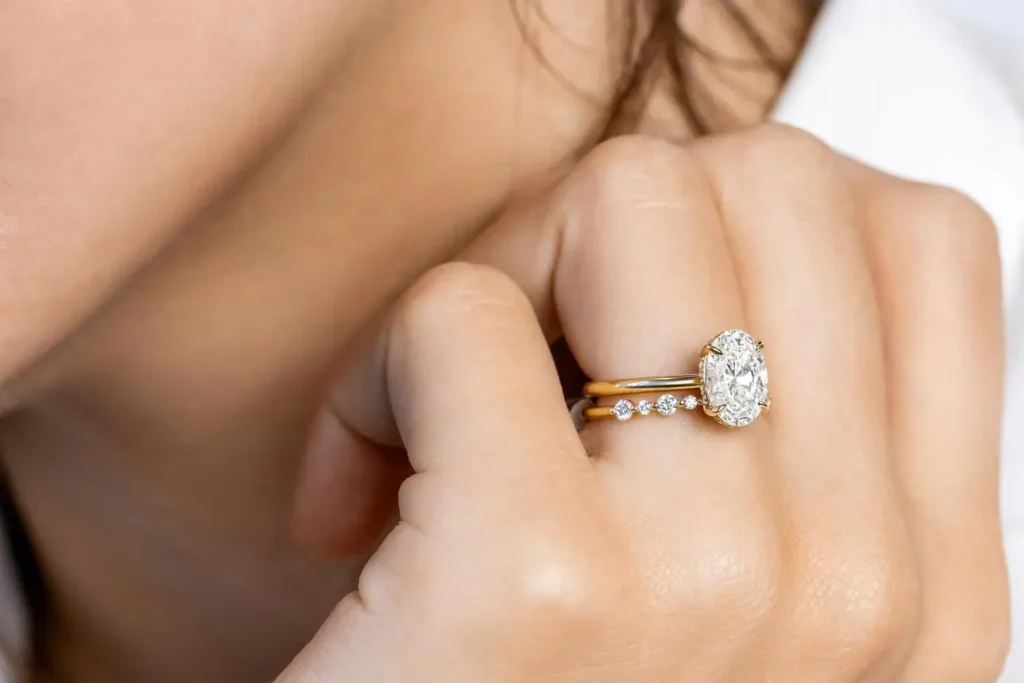
In the United States, a common tradition is to wear both rings on the ring finger of the left hand, with the wedding band closest to the hand and the engagement ring above it. However, there is no universal rule that every married person must follow.
Before the wedding
The person who receives the engagement ring typically wears it on their ring finger during the engagement. The wedding band has not yet been exchanged.
During the wedding ceremony
The couple exchanges wedding rings according to their ceremony plans. If one partner already wears an engagement ring, they may move it temporarily to the right hand or remove it and keep it somewhere safe.
Discuss the arrangement with your officiant or wedding coordinator if you want a particular ring exchange to happen smoothly.
After the wedding
Once married, you can wear the rings in several ways:
- Wedding band first: Wear the wedding band closest to your hand, with the engagement ring above it.
- Engagement ring first: Keep the engagement ring closest to your hand if that arrangement feels more comfortable.
- Separate hands: Wear the engagement ring on one hand and the wedding band on the other.
- Wedding band alone: Wear only the wedding band for work, exercise, travel, or everyday comfort.
- Engagement ring alone: Continue wearing the engagement ring without a separate band.
Your choice can depend on comfort, work requirements, personal style, and the way the rings fit together.
Is an Engagement Ring More Expensive Than a Wedding Ring?
An engagement ring often costs more than a wedding band, especially when it features a large center diamond or another valuable gemstone. However, the price difference is not guaranteed. A wide platinum band or a diamond-covered wedding ring can cost more than a modest engagement ring.
Several factors affect the price of both types of jewelry.
- Center stone: The gemstone’s type, size, quality, and characteristics can have a major effect on an engagement ring’s price.
- Metal: Gold purity, platinum, and other materials influence the final cost.
- Design complexity: Intricate settings, custom work, engraving, and detailed finishing can increase the price.
- Additional gemstones: A wedding band with a continuous row of diamonds may cost more than a simple metal band.
- Brand and craftsmanship: Design, manufacturing, and retailer pricing also influence what you pay.
How to budget for both rings
Start with a total amount you can comfortably afford rather than following a spending rule based on income or a set number of months’ salary.
Consider these practical steps:
- Decide how much you want to spend on both rings combined.
- Choose the engagement ring’s stone and setting based on your priorities.
- Compare wedding bands in different widths, metals, and finishes.
- Check whether the two rings fit together without rubbing or pressing against each other.
- Keep room in your budget for resizing, maintenance, insurance, or future repairs where needed.
A meaningful ring does not have to be expensive. The goal is to find jewelry that suits your preferences and budget.
Do You Need Both an Engagement Ring and a Wedding Ring?
No. Couples do not have to buy or wear two separate rings. The choice depends on personal preferences, cultural traditions, ceremony plans, and budget.
Here are three common options.
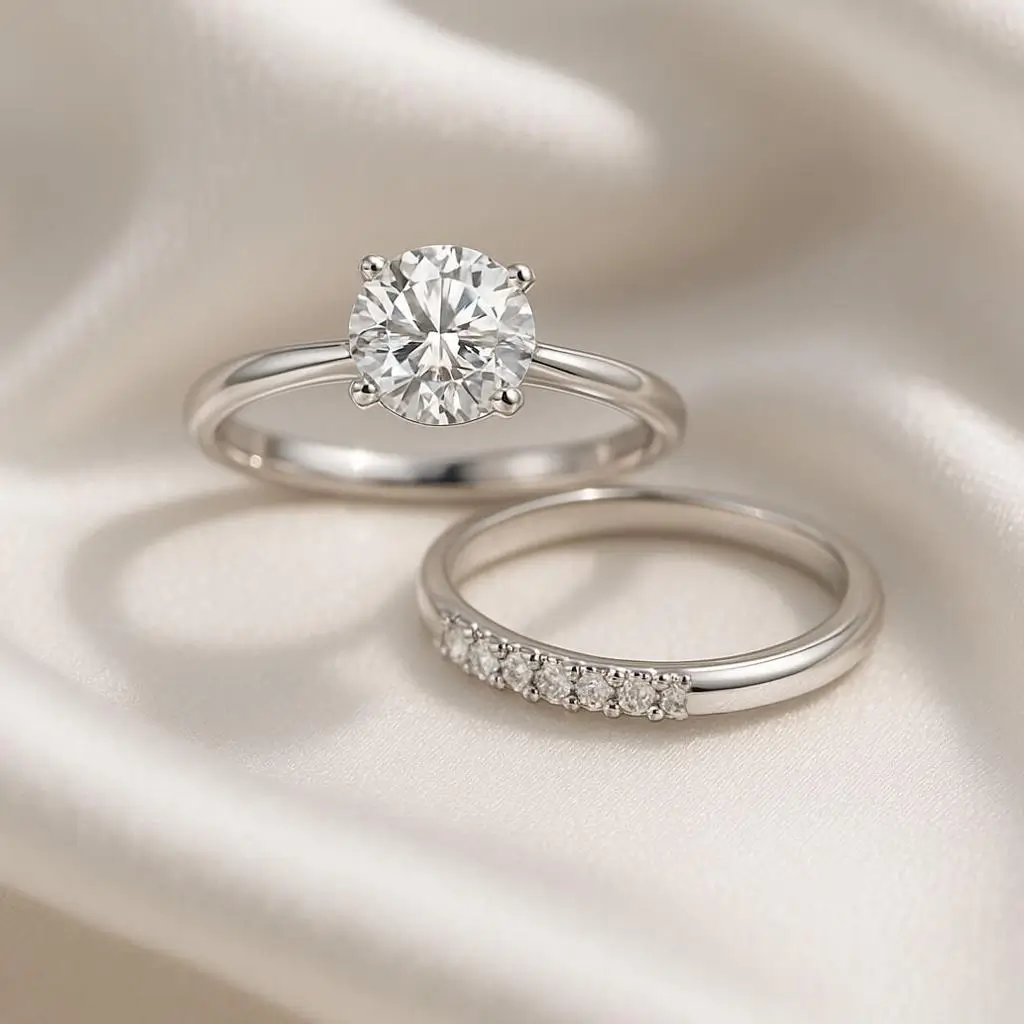
Option 1: Buy both rings
Choose an engagement ring for the proposal and a separate wedding band for the ceremony. This offers flexibility in styling and lets you wear the rings together or separately.
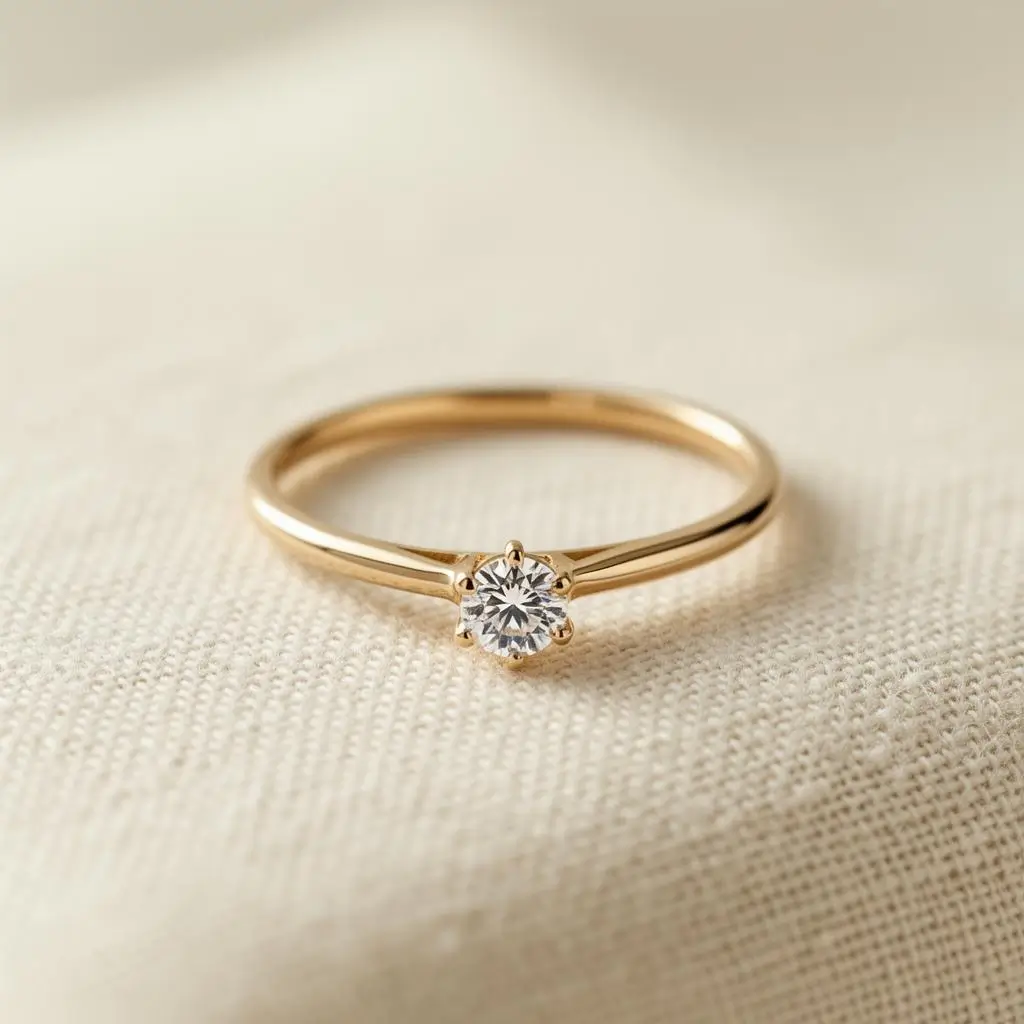
Option 2: Use one ring for both occasions
If you prefer simplicity, you can use one ring as your engagement ring and continue wearing it after the wedding. Discuss how you want to incorporate it into the ceremony.
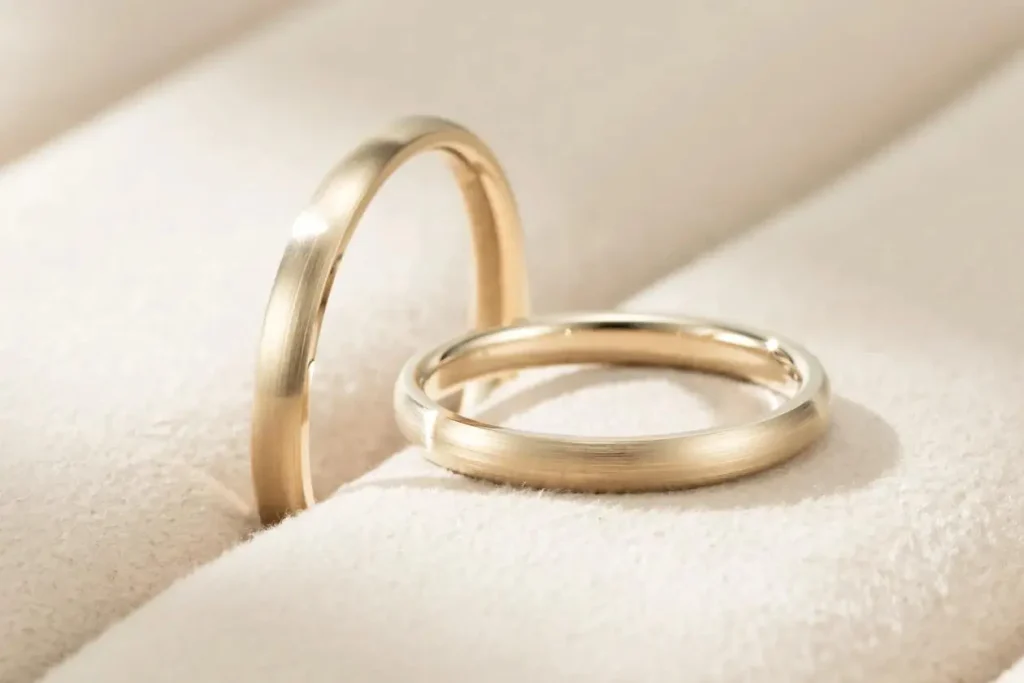
Option 3: Choose wedding bands only
Some couples skip traditional engagement rings and exchange wedding bands instead. This can be a practical choice for people who prefer understated jewelry or want to prioritize other wedding expenses.
There is no requirement to follow a particular ring tradition to demonstrate commitment. Choose the arrangement that feels right for you and your partner.
How to Choose Rings That Work Together
If you plan to wear both rings on the same finger, consider how they will look and feel as a pair.
Match the metal or mix finishes
Matching metals, such as yellow gold with yellow gold, create a coordinated appearance. Mixing metals can also look intentional, such as pairing a white gold engagement ring with a yellow gold wedding band.
You do not have to match the rings exactly. Consider whether you want a coordinated set or a more individual look.
Check the shape and setting
A straight wedding band may not sit flush against an engagement ring with a large stone, an unusual setting, or a curved profile.
Try both rings together before purchasing, if possible. A jeweler can suggest a contoured band or another design that fits around the engagement ring.
Prioritize comfort and durability
If you plan to wear your rings daily, think about your work, hobbies, and routine. Raised settings can catch on clothing, while some detailed bands may require more cleaning.
Ask the jeweler about the metal’s durability, gemstone security, resizing limitations, and recommended maintenance.
Consider buying the wedding band later
You do not necessarily need to purchase both rings at once. You can choose an engagement ring first and find a wedding band closer to the ceremony.
However, if the engagement ring has an unusual shape or setting, it is helpful to explore compatible bands early. This gives you time to compare styles and arrange a custom fit if necessary.
Frequently Asked Questions
Yes. The terms wedding ring and wedding band are generally used interchangeably. Both refer to the ring traditionally exchanged during a wedding ceremony.
Yes. You can use one ring for both occasions if that suits your preferences. You may also exchange a separate ring during the ceremony and continue wearing your original engagement ring afterward.
Traditionally, engagement rings have been more commonly associated with the person receiving the proposal in the United States. However, some couples both wear engagement rings or exchange rings when they become engaged. Practices vary by couple and culture.
A popular American tradition places the wedding band closest to the hand, with the engagement ring above it. The idea that this placement brings the wedding band closer to the heart is a symbolic explanation of the custom, not a universal rule.
No. Matching metals and coordinated designs are popular, but they are not necessary. Choose rings that complement each other visually and feel comfortable when worn together.
Conclusion
The difference between an engagement ring and a wedding ring comes down to their traditional purpose: one marks the promise to marry, and the other symbolizes marriage.
Before buying either ring, decide whether you want to wear one or two, set a comfortable budget, and check how the designs fit together. That simple planning step can help you choose rings you will enjoy wearing for years.

Emily Carter is a wedding planning writer and editor at MarryPlane. She covers wedding timelines, budgets, venues, invitations, vendors, ceremony planning, and practical details that help couples feel prepared for their big day. Emily focuses on clear, realistic advice that makes wedding planning easier without taking away from the excitement of the celebration.