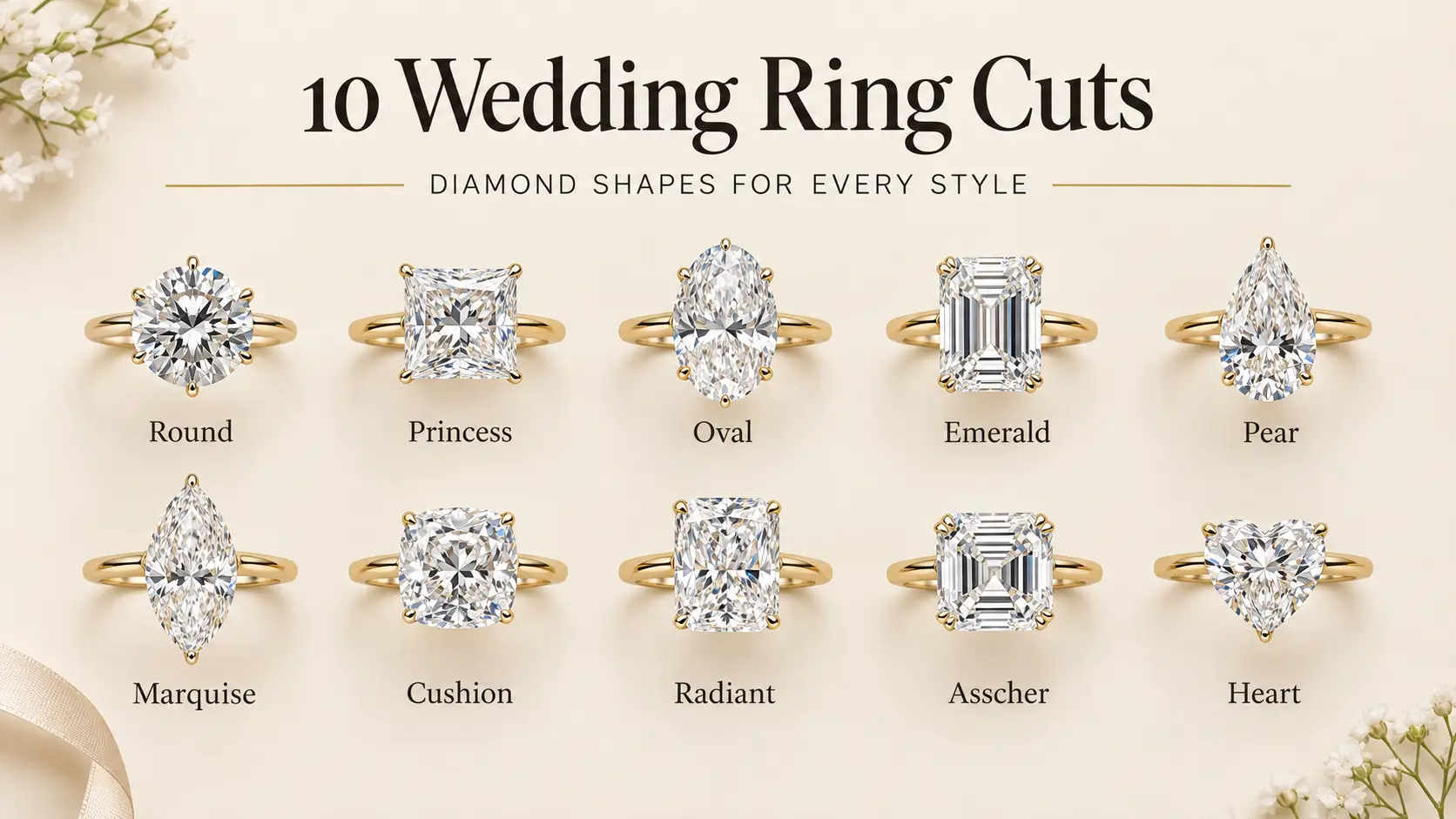
Wedding ring cuts refer to the shapes and cutting styles of diamonds or gemstones used in wedding and engagement rings.
Popular options include round, princess, oval, emerald, pear, marquise, cushion, radiant, asscher, and heart cuts. Each offers a different appearance, sparkle, and style, helping couples choose a ring that suits their taste and budget.
The term wedding ring cuts can describe the shape of a center stone or the way a diamond is cut to enhance its brilliance. Understanding the difference makes it easier to compare rings and choose a design you will enjoy wearing for years.
What Are Wedding Ring Cuts?
Wedding ring cuts generally refer to the shapes of diamonds or other gemstones set in wedding jewelry. Jewelers often call these diamond shapes, although cut quality also describes how well a diamond’s facets interact with light.
For example, a round brilliant diamond has a circular outline and is designed for strong sparkle. An emerald-cut diamond has a rectangular outline and broad, open facets that create a different visual effect.
Shape and cut quality are not the same thing. Two diamonds can share the same shape but differ in brightness, symmetry, and overall appearance because of their cutting quality.
10 Popular Wedding Ring Cuts
1. Round Brilliant Cut
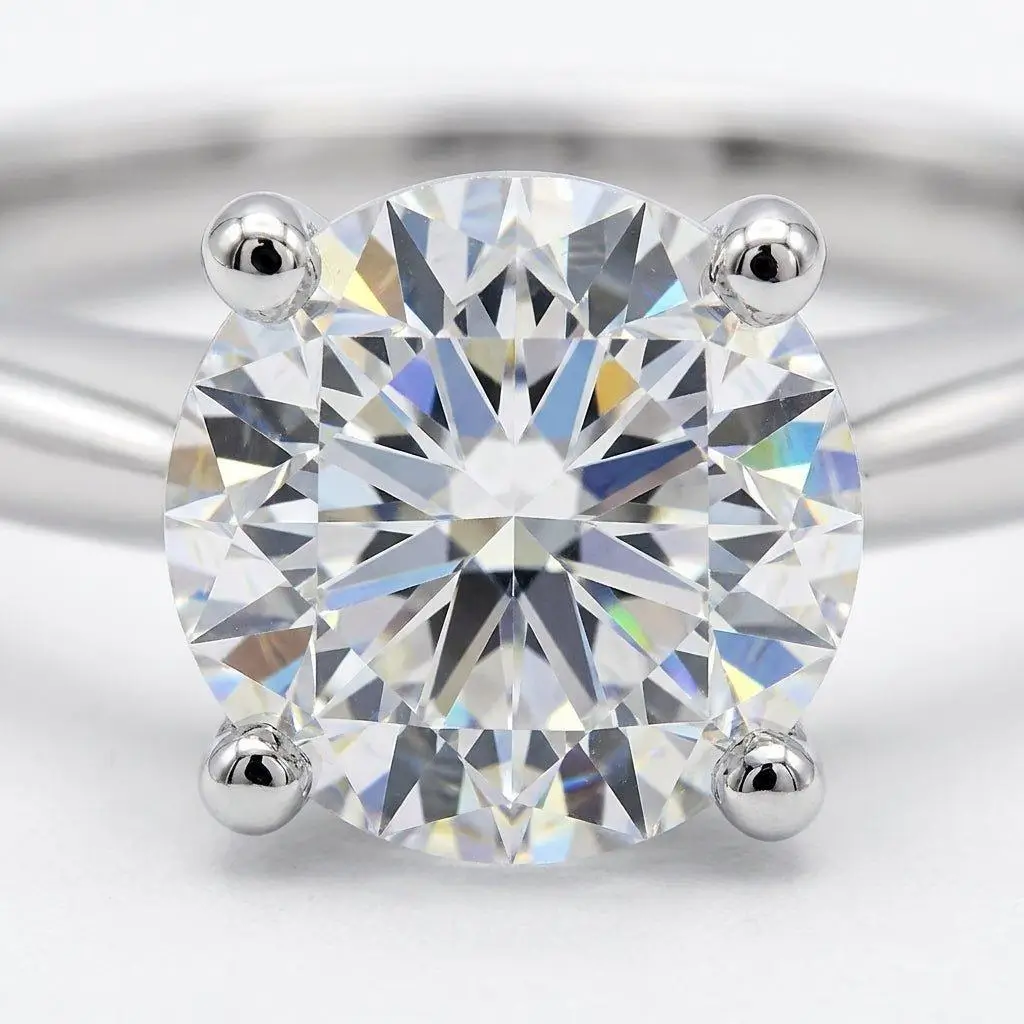
The round brilliant is one of the most recognizable diamond shapes in engagement and wedding jewelry. Its circular outline and carefully arranged facets are designed to maximize brightness, fire, and sparkle.
Best for: Classic, timeless, and traditional ring styles.
Why couples choose it:
- Delivers prominent sparkle in a wide range of lighting conditions.
- Works with solitaire, halo, and pavé settings.
- Pairs easily with many wedding band designs.
- Suits both minimalist and elaborate ring styles.
What to consider: Round diamonds can cost more than some other shapes of comparable carat weight. Their popularity and cutting requirements can affect pricing.
A round brilliant is a strong option if you want a versatile ring that feels elegant without following a short-lived trend.
2. Princess Cut
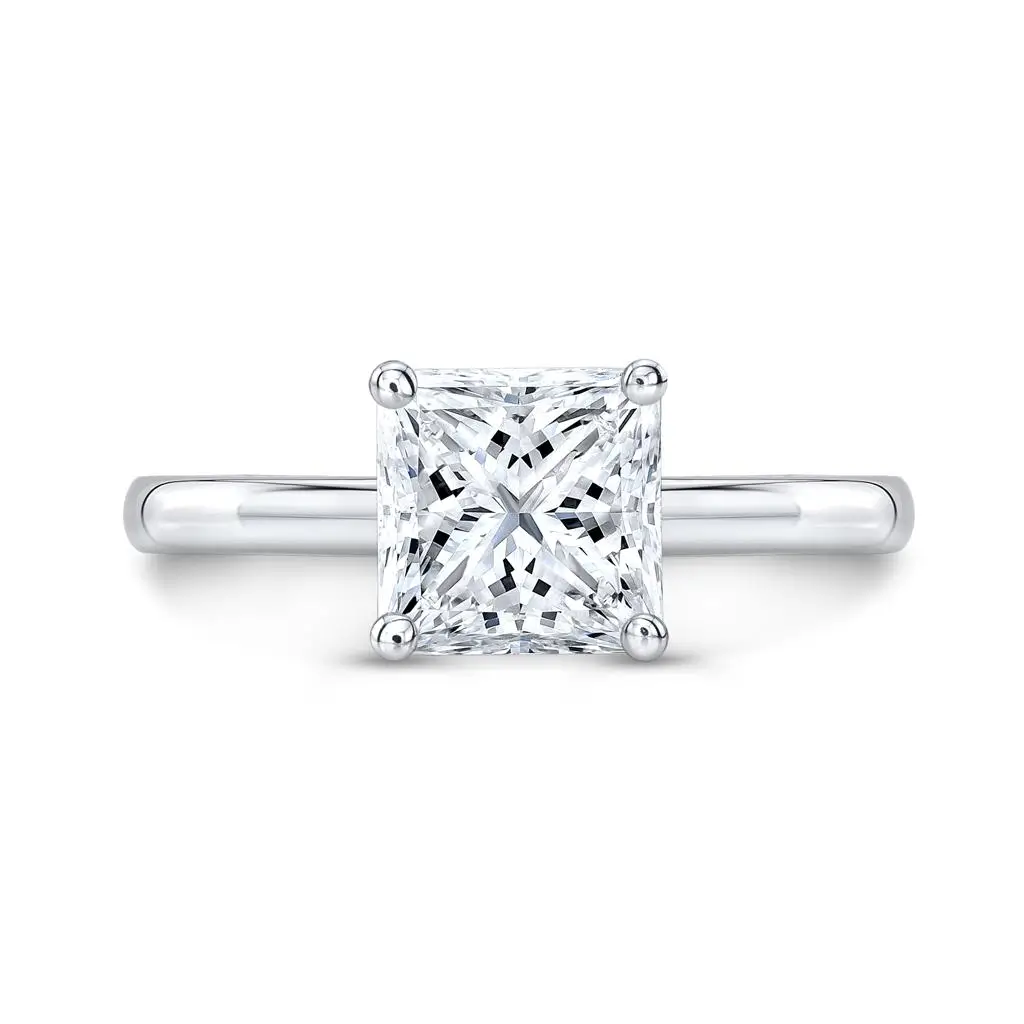
The princess cut typically has a square outline, pointed corners, and a brilliant-style facet arrangement. It combines a clean geometric shape with lively sparkle.
Best for: Modern, geometric, and contemporary ring designs.
Why couples choose it:
- Creates a crisp square silhouette.
- Offers substantial sparkle when well cut.
- Looks striking in solitaire and halo settings.
- Complements sleek metal bands.
What to consider: Its pointed corners can be vulnerable to chipping if exposed or poorly protected. A setting with secure corner protection can help reduce this risk.
Choose a princess cut if you like the structure of a square stone but still want the bright appearance associated with brilliant-style diamonds.
3. Oval Cut
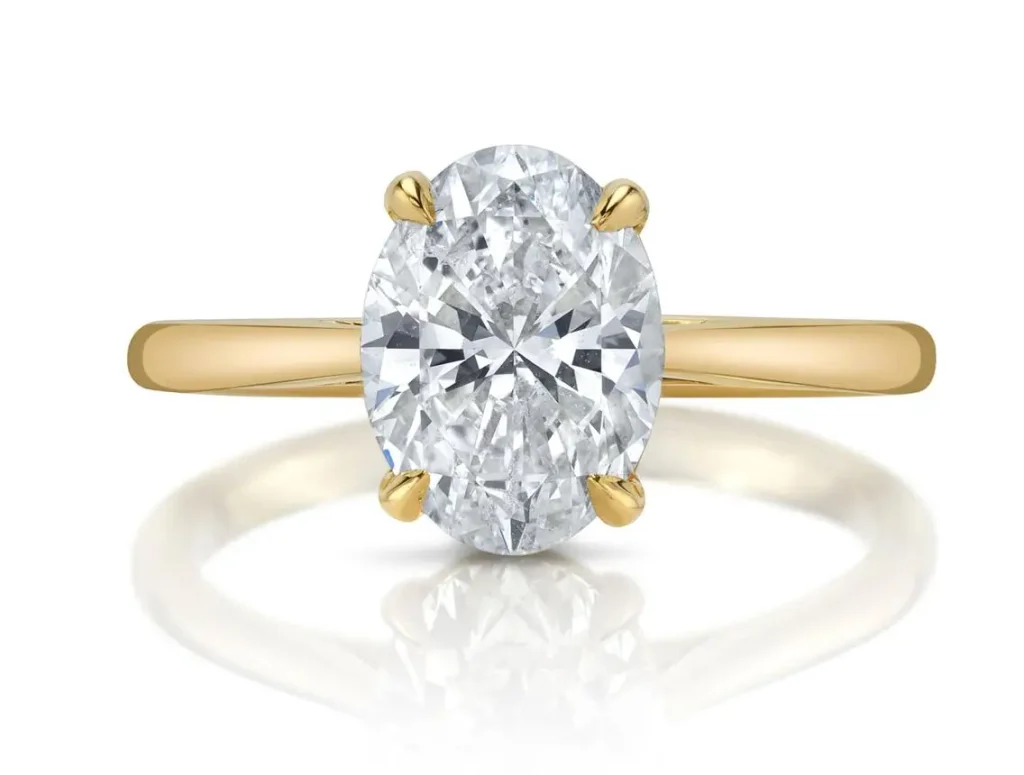
The oval cut stretches the round brilliant shape into an elongated outline. It can create an elegant, flowing appearance and may make the finger look longer, depending on the stone’s proportions and how the ring sits.
Best for: Romantic, elongated, and contemporary designs.
Why couples choose it:
- Combines an elongated silhouette with lively sparkle.
- Looks attractive in solitaire and halo settings.
- Often appears large relative to its carat weight.
- Pairs well with plain or diamond-accented bands.
What to consider: Oval diamonds can show a dark bow-tie-shaped area across the center. Its visibility varies from stone to stone, so inspect the diamond in different lighting conditions before buying.
An oval cut works well if you want a graceful alternative to a round diamond without sacrificing the brilliant-cut appearance.
4. Emerald Cut

The emerald cut has a rectangular outline with trimmed corners and long, step-cut facets. Rather than producing the intense sparkle of a round brilliant, it creates broad flashes of light and a distinctive hall-of-mirrors effect.
Best for: Elegant, understated, vintage-inspired, and Art Deco styles.
Why couples choose it:
- Highlights the diamond’s clarity and clean lines.
- Offers a sophisticated rectangular silhouette.
- Works beautifully in solitaire and three-stone settings.
- Creates a refined look without excessive ornamentation.
What to consider: The large, open facets can make inclusions and color more noticeable. Clarity and overall appearance deserve careful attention when comparing stones.
If you prefer quiet elegance over intense sparkle, an emerald cut may be a particularly appealing choice.
5. Pear Cut
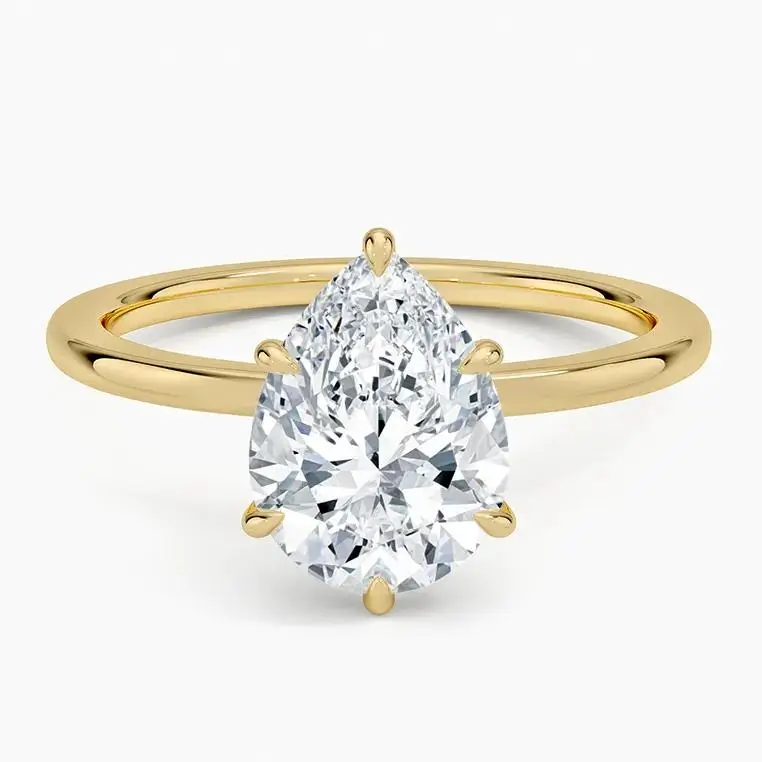
The pear cut combines a rounded end with a tapered point, creating a teardrop-shaped diamond. Its distinctive outline brings movement and individuality to a ring.
Best for: Romantic, distinctive, and vintage-inspired designs.
Why couples choose it:
- Offers a recognizable shape that stands out.
- Can visually elongate the finger when positioned lengthwise.
- Works in solitaire, halo, and three-stone settings.
- Can be worn with the point facing toward or away from the fingertip.
What to consider: The pointed end needs protection from accidental impacts. Check that the setting secures the tip and that the diamond looks balanced rather than overly narrow or wide.
A pear cut is ideal for someone who wants a little more personality than a traditional round stone.
6. Marquise Cut
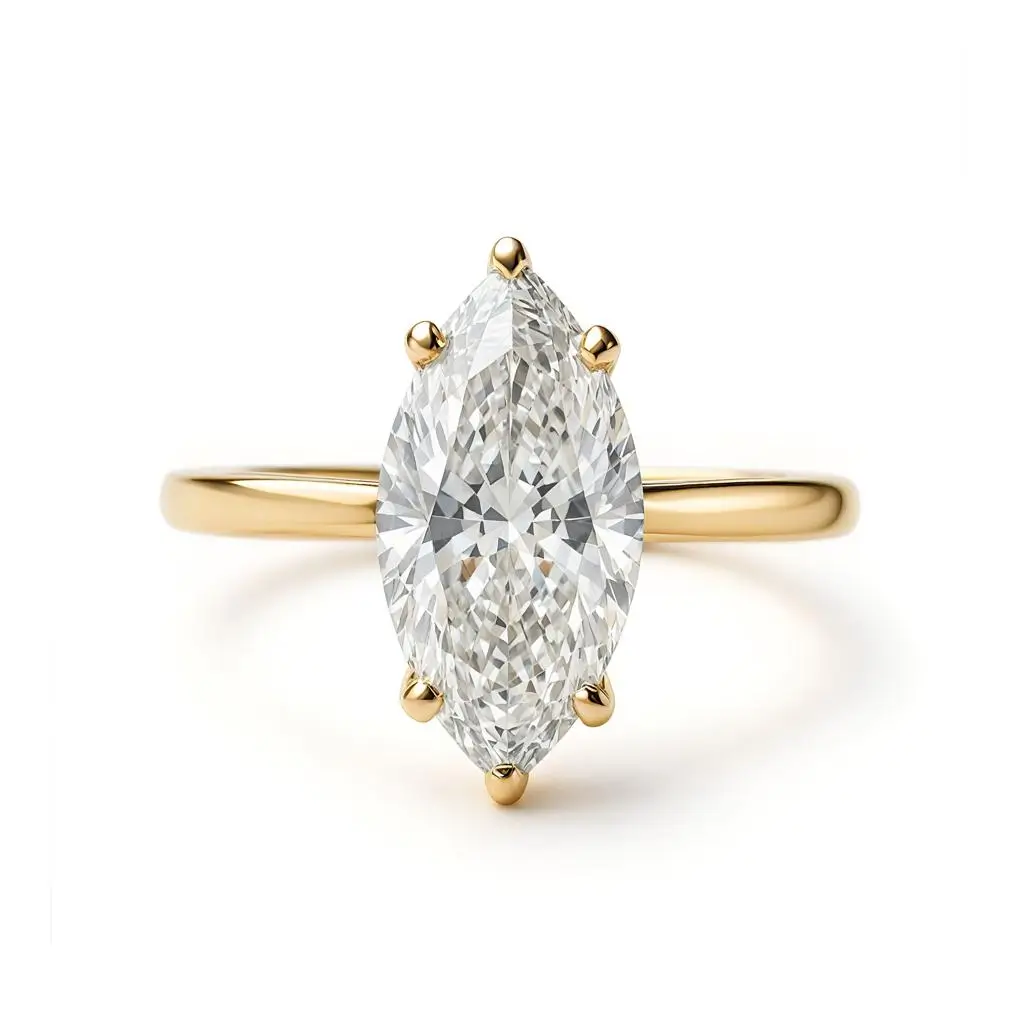
The marquise cut has an elongated body with pointed ends. Its distinctive shape creates a dramatic silhouette and can make a diamond appear larger than some other shapes of the same carat weight.
Best for: Bold, vintage, and statement-making rings.
Why couples choose it:
- Creates a long, striking outline.
- Can give the finger an elongated appearance.
- Offers a distinctive alternative to round and oval stones.
- Looks attractive in solitaire and decorative settings.
What to consider: Both pointed ends require careful protection. Marquise diamonds can also show uneven light patterns if their proportions or facet performance are not well balanced.
Choose this shape if you want a ring with a noticeable silhouette and a touch of vintage glamour.
7. Cushion Cut

The cushion cut has a square or rectangular outline with rounded corners, resembling a cushion. Depending on the facet pattern, it can produce broad flashes of light or a softer, glittering appearance.
Best for: Romantic, vintage-inspired, and classic designs.
Why couples choose it:
- Combines soft corners with a substantial shape.
- Works with both traditional and modern settings.
- Looks beautiful in halo and solitaire designs.
- Offers several proportions and facet styles to compare.
What to consider: Cushion diamonds vary considerably in outline and sparkle. Some look almost square, while others are noticeably elongated.
If you love rounded shapes but want something different from an oval, the cushion cut offers a versatile middle ground.
8. Radiant Cut
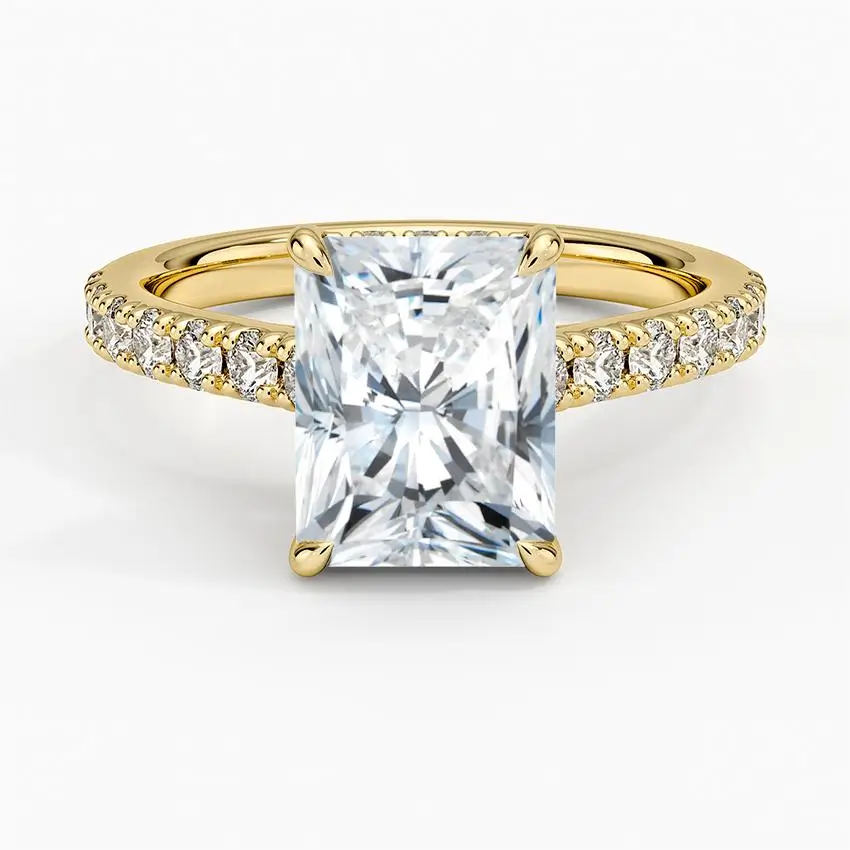
The radiant cut typically has a square or rectangular outline with trimmed corners and brilliant-style facets. It combines the structured appearance of a rectangular stone with energetic sparkle.
Best for: Glamorous, contemporary, and high-sparkle ring designs.
Why couples choose it:
- Delivers a lively appearance.
- Has corners that can be easier to protect than sharply pointed shapes.
- Looks impressive in solitaire and halo settings.
- Offers both square and elongated proportions.
What to consider: Compare stones individually because facet patterns, brightness, and the visibility of dark areas can vary.
A radiant cut is worth considering if you like the clean lines of an emerald cut but prefer a more glittering appearance.
9. Asscher Cut
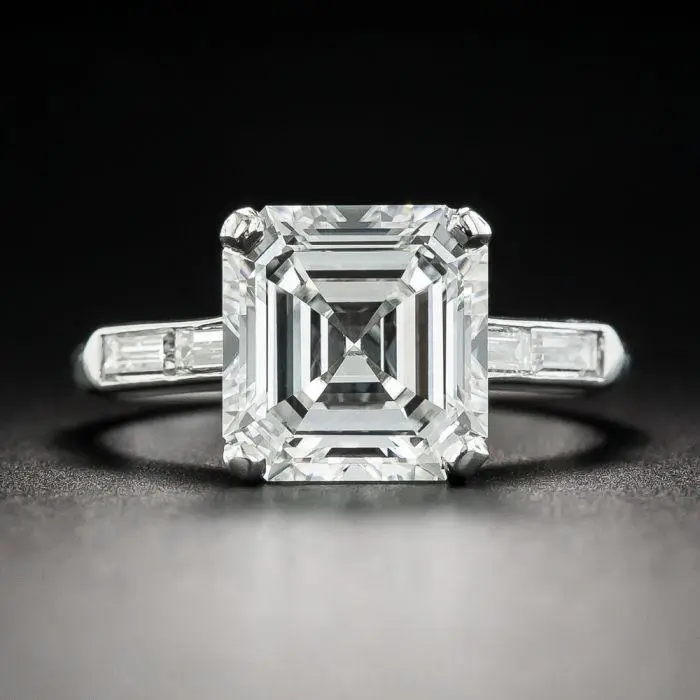
The asscher cut is a square-shaped step cut with trimmed corners. Its concentric facets create a geometric, layered appearance associated with vintage and Art Deco jewelry.
Best for: Geometric, vintage, and understated luxury styles.
Why couples choose it:
- Has a distinctive square outline.
- Creates a symmetrical, architectural look.
- Pairs well with simple metal bands.
- Offers a less conventional alternative to round and princess cuts.
What to consider: Its open step facets can reveal inclusions and color differences. Carefully examine clarity, symmetry, and the overall visual effect.
An asscher cut is a good choice if you appreciate precision, symmetry, and subtle flashes of light rather than intense sparkle.
10. Heart Cut
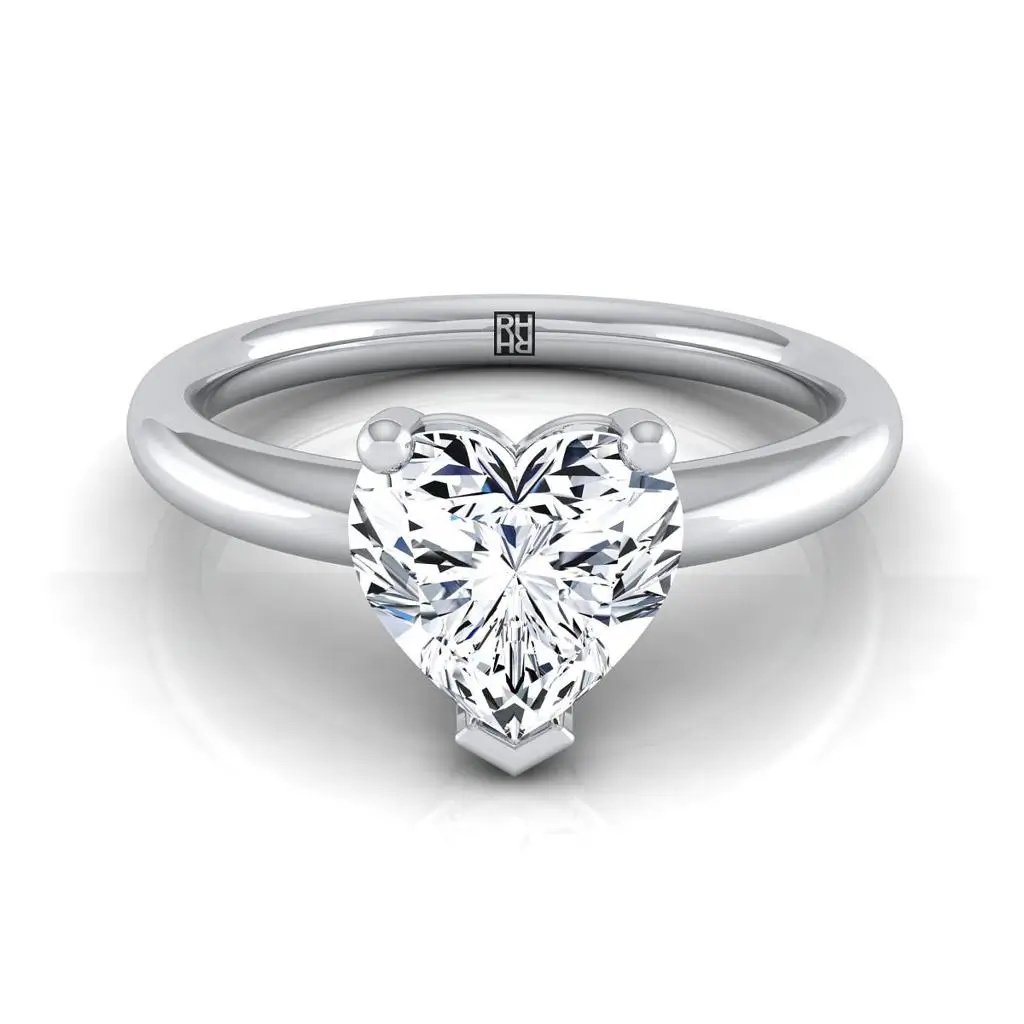
The heart cut features a cleft at the top and a rounded lower outline that forms a recognizable heart. It is an expressive choice for couples who want their ring to carry an obvious romantic theme.
Best for: Romantic, playful, and personalized ring designs.
Why couples choose it:
- Has an instantly recognizable symbolic shape.
- Creates a distinctive alternative to conventional diamond cuts.
- Works with solitaire and halo settings.
- Can make an engagement ring feel especially personal.
What to consider: The heart should have balanced lobes, a clear cleft, and a well-defined point. Smaller stones may show the shape less clearly, so viewing the actual diamond is important.
Choose a heart cut if you want the stone’s outline to express romance as well as its role in your relationship.
Wedding Ring Cuts Compared at a Glance
The best diamond shape depends on the appearance you prefer, the setting you want, and how much sparkle matters to you.
| Diamond shape | Overall appearance | Sparkle style | Common design aesthetic |
| Round | Circular | Bright, lively | Classic |
| Princess | Square | Bright, lively | Modern |
| Oval | Elongated, rounded | Bright, lively | Romantic |
| Emerald | Rectangular | Broad, mirror-like flashes | Elegant |
| Pear | Teardrop | Bright, lively | Distinctive |
| Marquise | Long with pointed ends | Bright, lively | Dramatic |
| Cushion | Square or rectangular with rounded corners | Soft or brilliant, depending on facets | Vintage |
| Radiant | Square or rectangular with trimmed corners | Bright, lively | Contemporary |
| Asscher | Square with trimmed corners | Broad, mirror-like flashes | Art Deco |
| Heart | Heart-shaped | Bright, lively | Romantic |
These are general characteristics, not guarantees. Two diamonds with the same shape can look different because of their proportions, facet arrangement, and cutting quality.
Brilliant Cut vs. Step Cut: What’s the Difference?
When comparing wedding ring cuts, it helps to understand the two major facet styles.

Brilliant cut
Brilliant-style facets are arranged to create numerous small flashes of light. Round, princess, oval, pear, and many cushion diamonds use brilliant-style faceting.
Choose it if: You love noticeable sparkle and lively reflections.
Step cut
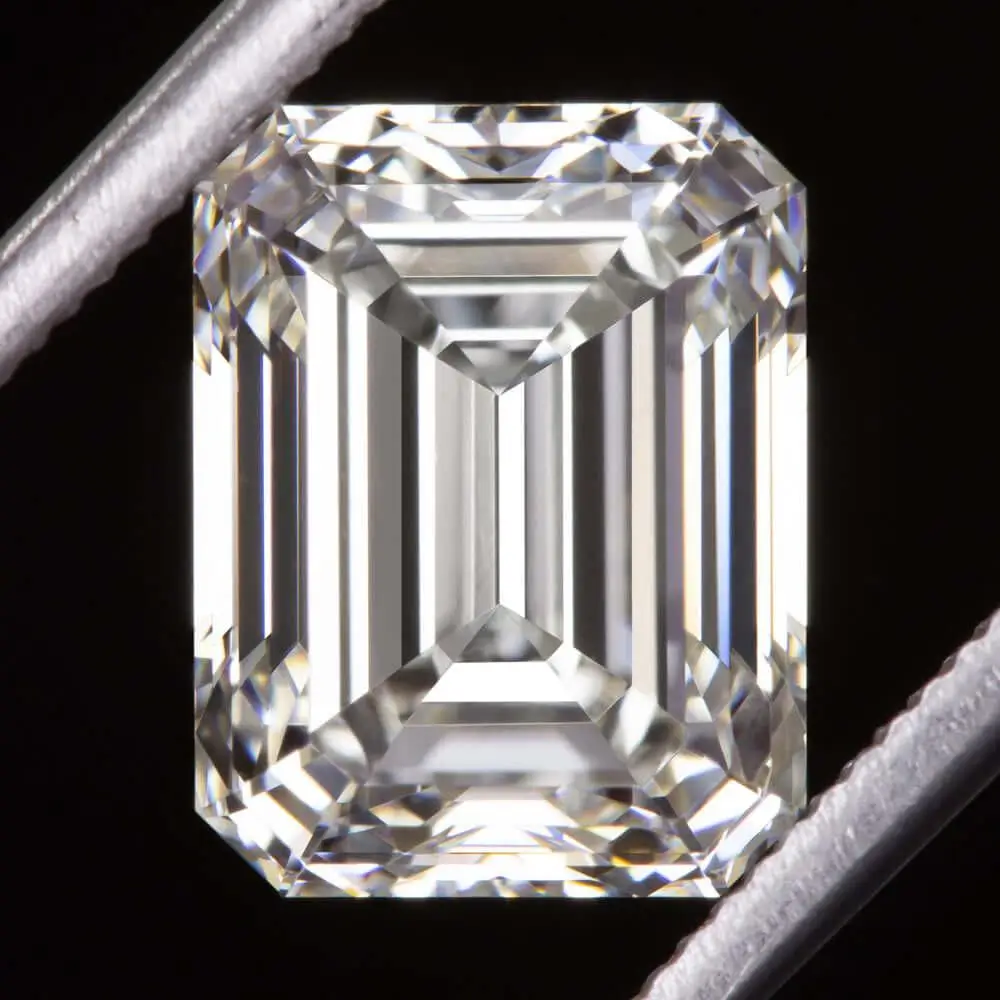
Step-cut diamonds have broad, parallel facets arranged in tiers. Emerald and Asscher cuts are familiar examples. They create larger areas of light and dark rather than the busy sparkle of a brilliant cut.
Choose it if: You prefer clean geometry, symmetry, and understated reflections.
Neither style is automatically better. Your preference for sparkle, broad flashes, or a quieter appearance should guide your choice.
How to Choose the Best Wedding Ring Cut
1. Decide how much sparkle you want
If strong sparkle is your priority, compare round brilliant, princess, oval, radiant, and brilliant-style cushion diamonds. If you prefer a more architectural look, explore emerald and Asscher cuts.
Look at stones in person or request clear videos showing them under different lighting. A photograph alone may not reveal how a diamond performs.
2. Consider your budget
The diamond’s shape can influence its price, but it is only one factor. Carat weight, color, clarity, cutting quality, and whether the diamond is natural or laboratory-grown also affect the final cost.
Round diamonds may command a premium compared with some fancy shapes of similar specifications. However, there is no universal price difference that applies to every diamond.
For a practical comparison, ask a jeweler to show you stones with similar carat weights, comparable quality, and the same origin, either natural or laboratory-grown.
3. Think about everyday comfort and durability
Wedding and engagement rings are often worn daily, so the setting matters as much as the shape.
- Pointed shapes: Pear, marquise, and heart diamonds need protection around their tips.
- Sharp-cornered shapes: Princess diamonds benefit from secure corner protection.
- Rounded shapes: Round, oval, and cushion diamonds have no sharp outer points, although they can still chip or become damaged.
- Step cuts: Emerald and Asscher diamonds have trimmed corners, but those corners still need suitable protection.
A protective setting, appropriate ring fit, and regular professional inspections can help keep a ring in good condition.
4. Check clarity and color carefully
Different facet styles can affect how visible a diamond’s natural characteristics appear.
Brilliant cuts often disguise small inclusions more effectively than step cuts. Emerald and Asscher diamonds have larger, open facets, so inclusions and body color may be easier to see.
This does not mean you always need the highest clarity or color grade. Instead, compare the actual stones and decide which qualities are noticeable to you within your budget.
5. Match the shape to the setting
The setting changes the overall appearance of the ring and influences how well the stone is protected.
- Solitaire: Keeps attention on the center diamond.
- Halo: Surrounds the center stone with smaller diamonds for a more decorative look.
- Three-stone: Places side stones beside the center diamond.
- Bezel: Encloses the stone’s outer edge in metal.
- Pavé band: Adds small diamonds along the band.
Before choosing, check whether the ring band sits flush against your preferred wedding band. Some large or unusually shaped stones need a curved, notched, or custom-fit band.
6. Try different shapes on your hand
Online images can help you narrow your choices, but proportions look different on different hands. An oval may appear long and delicate on one finger, while a cushion may create a fuller, more compact look.
Try your favorite two or three shapes in similar settings. Compare their comfort, height above the finger, and appearance from the side as well as from above.
7. Review the diamond grading report
For a significant diamond purchase, request a grading report from a reputable gemological laboratory. Review the report’s details alongside the stone itself.
The Gemological Institute of America (GIA) provides an overall cut grade for standard round brilliant diamonds, but not for fancy shapes in the same way. For fancy shapes, examine the diamond’s symmetry, polish, proportions, and visible light performance rather than relying on a single overall cut grade.
Frequently Asked Questions
The round brilliant is a classic and widely recognized choice for engagement rings. Oval, princess, cushion, and emerald cuts are also popular options, each offering a distinct appearance.
The round brilliant is specifically designed for strong brilliance and fire. Other brilliant-style shapes can also sparkle beautifully, depending on their proportions and cutting quality.
Elongated shapes such as oval, pear, and marquise can appear larger face-up than some other shapes of the same carat weight. The actual appearance depends on the diamond’s dimensions and proportions.
Round diamonds have no pointed corners, making them a practical choice. However, durability depends on the stone, its setting, and how the ring is worn and maintained.
No. Shape describes the diamond’s outline, such as round or oval. Cut quality describes how well the stone’s proportions and facets affect its interaction with light. In jewelry terminology, the word cut is also commonly used when referring to a shape.
Conclusion
The best wedding ring cuts balance personal style, sparkle, durability, and budget. Start by choosing two or three shapes you love, then compare actual diamonds in suitable settings before making your decision.

Emily Carter is a wedding planning writer and editor at MarryPlane. She covers wedding timelines, budgets, venues, invitations, vendors, ceremony planning, and practical details that help couples feel prepared for their big day. Emily focuses on clear, realistic advice that makes wedding planning easier without taking away from the excitement of the celebration.